What Are Thermoplastics? A Beginner’s Guide
Thermoplastics in Pellet Form
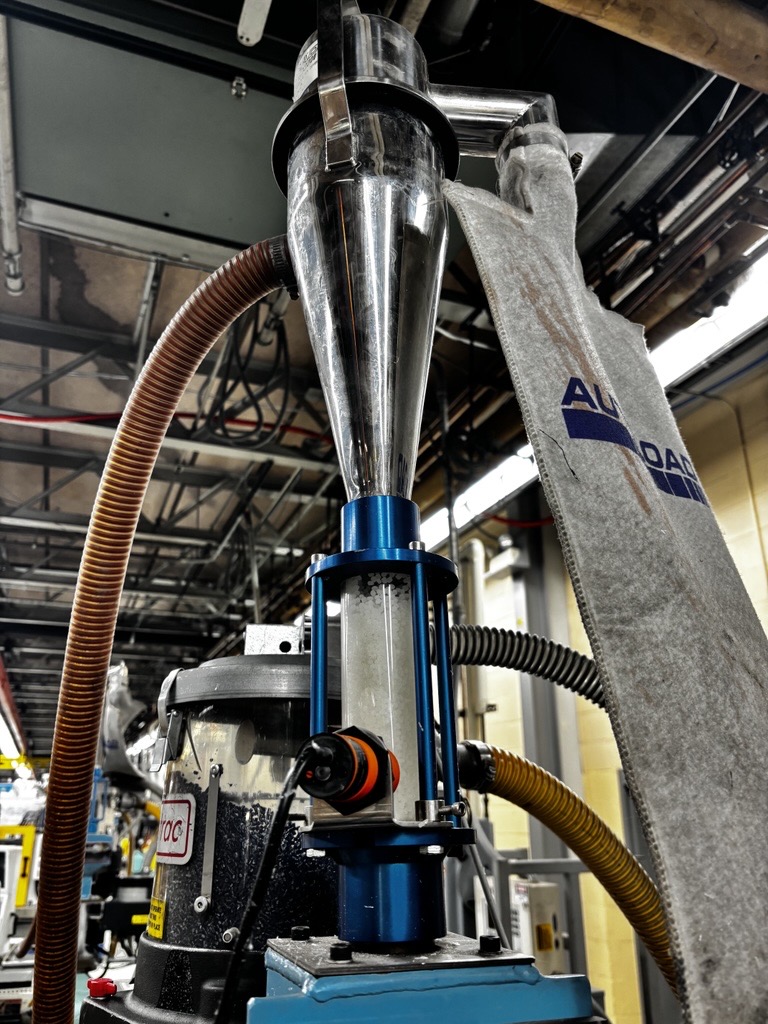
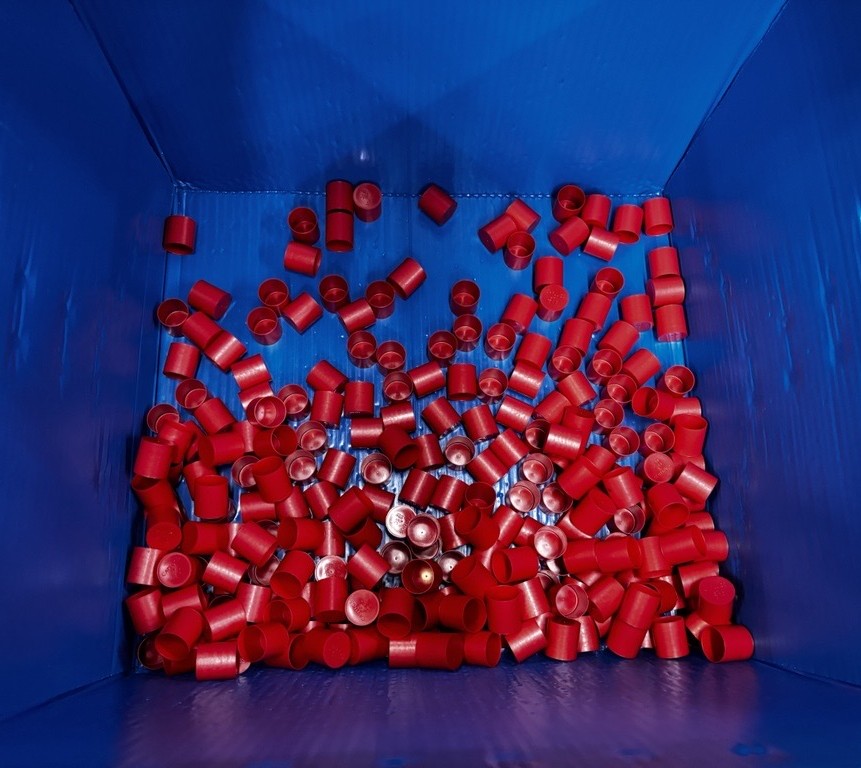
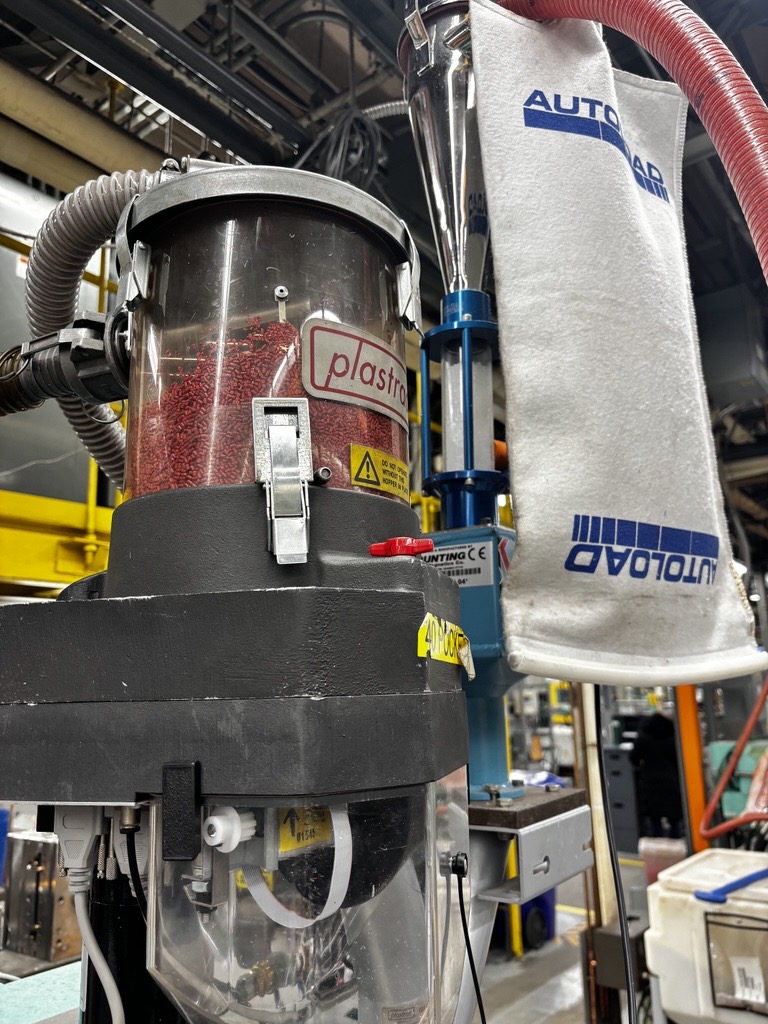
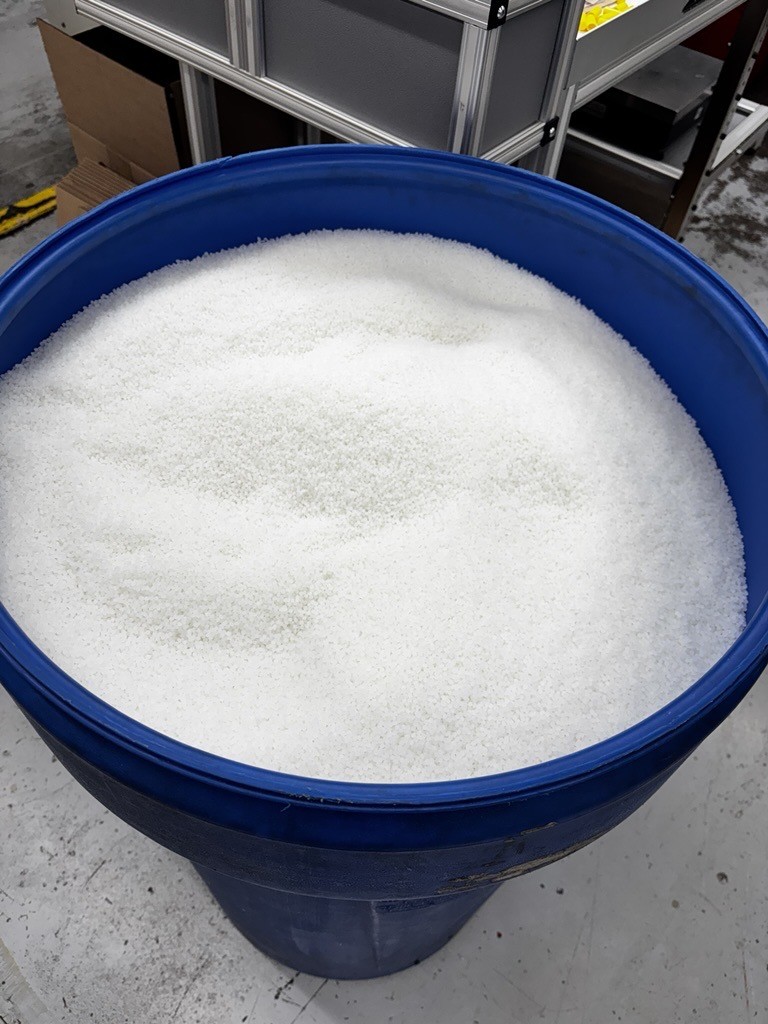
We can often forget that many of the plastic products we use each day begin in the form of small plastic pellets, about the size of a bead. These pellets are actually extruded thermoplastics that are cut into pellet form. They are then melted, shaped into a design and cooled to produce everything from children’s toys to soda bottles, food packaging, product protection and even medical equipment.
Manufacturing processes like injection molding and extrusion can produce these items at great speeds and in large quantities, providing companies and people with a variety of solutions.
Here, we will review the definition of a thermoplastic, including the common types of thermoplastics, items produced from them, along with material features, color and finishing options that are available.
What Is Thermoplastic?
Derived from organic materials including natural gas, petroleum, harvested soybeans or corn, thermoplastics stand out from other plastic types (like thermosets) by having the ability to be melted, shaped and cooled into a specific design. They can even be remelted and reshaped once an original product is no longer needed, via recycling processes.
While thermoplastic beads or pellets may all look the same from a distance, they have unique molecular structures, or polymers, that will create a differing finished product. Two of the most common thermoplastic polymers that are used in the manufacturing space are polyethylene (PE) and polypropylene (PP).
PE and PP aren’t the only thermoplastics used during manufacturing, however. Polycarbonate (PC), acrylonitrile-butadiene-styrene (ABS) and many other polymers can be molded or machined to create items with different colors and finishing options.
Further thermoplastic material options include thermoplastic rubber (TPR) and thermoplastic elastomer (TPE), which consist of both plastic and rubber.