Optimizing the masking step in your finishing process
There is a better way to mask your products.
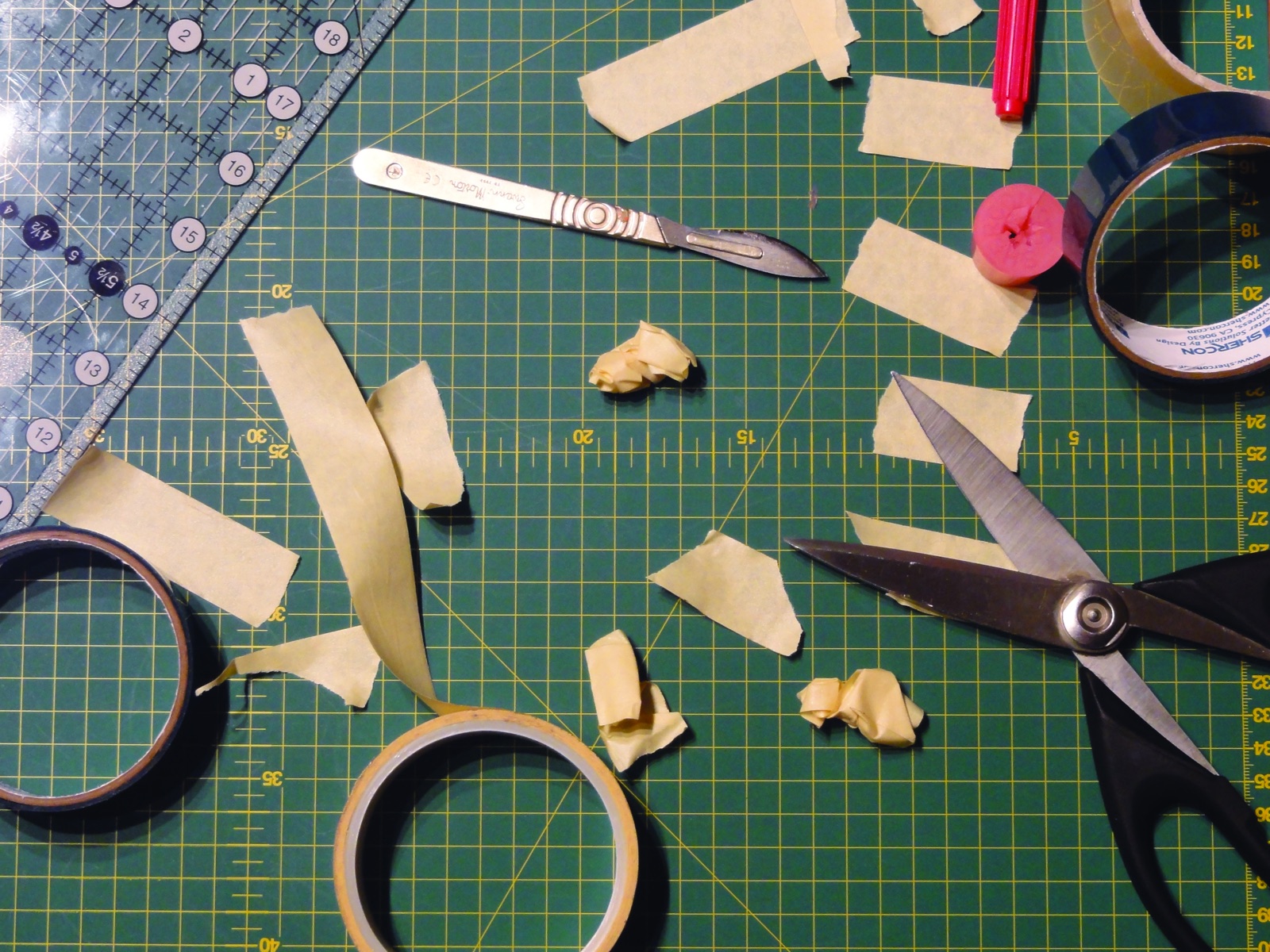
For many surface finishing companies or departments, the masking area is a dimly lit bench covered with numerous
adhesive tapes, scalpels, knives, cutting boards, hammers and punches. It is a place where tapes are punched, cut,
torn and applied to the part, then trimmed to the final shape with a knife.
Update your manual masking process.
Masks are frequently removed and reapplied to test fit during the finishing process, which could affect the mask's
adhesiveness and placement. This process is time-consuming and yields inconsistent results from batch to batch. The
quality of the final product can even be impacted by variables including the skill of the person creating these masks.
There is a better way when it comes to masking.
Optimizing your masking process begins with reviewing the products you are finishing. You do not need to be finishing
thousands of the same part every day to optimize the masking process. Many of the following solutions will work just
as well for a manufacturing company that produces a limited number of parts per month as they will for a surface
finisher who is processing hundreds of parts a day.
Pre-Cut Shapes
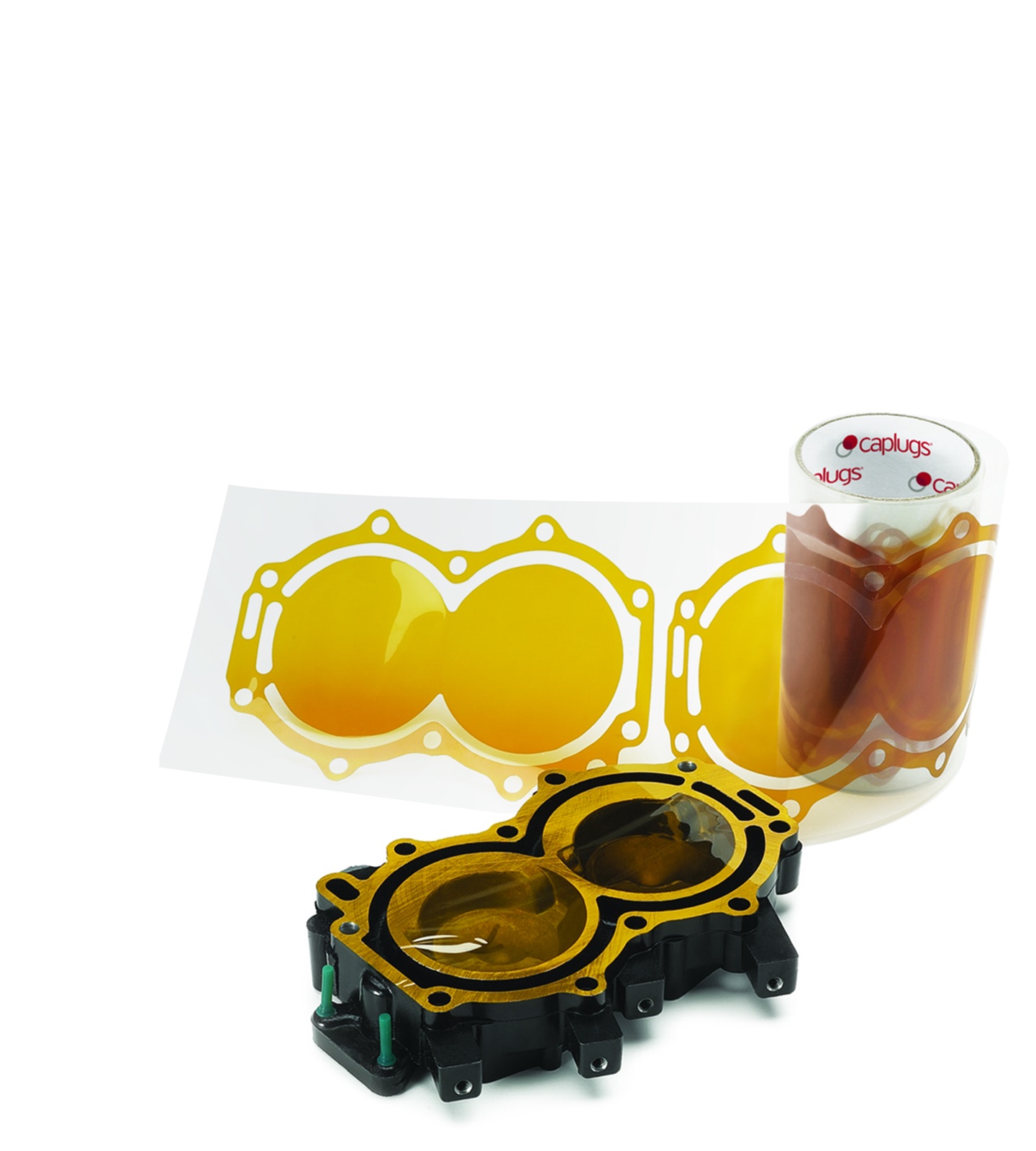
Instead of sticking tape onto a part and using a knife to cut around the tape, consider purchasing pre-cut shapes,
called die-cut masks. Custom die-cut masks can be peeled off a roll and placed directly onto the part. The die-cut
mask can be any shape, from a simple disc to a complex shape that precisely matches the profile of your part.
Die-cut masks are pre-cut shapes you apply to your part.
A good masking supply company is able to take a drawing, or the part itself, and quickly provide you with a sample of
a die-cut mask. That sample process does not have to involve complex tooling and can usually be achieved in a few
days. Once the shape is in the system, the die-cut mask can be sampled in different tapes for different finishing
processes.
Die-cut masks are typically provided on rolls and range from 50 pieces to 1,000 pieces on a roll depending on the
size of the shape. Die-cut masks can be supplied with tabs for easy removal, perforated lines to separate masks or
marks to help with aligning the mask on the part.
Die-Cut Kits
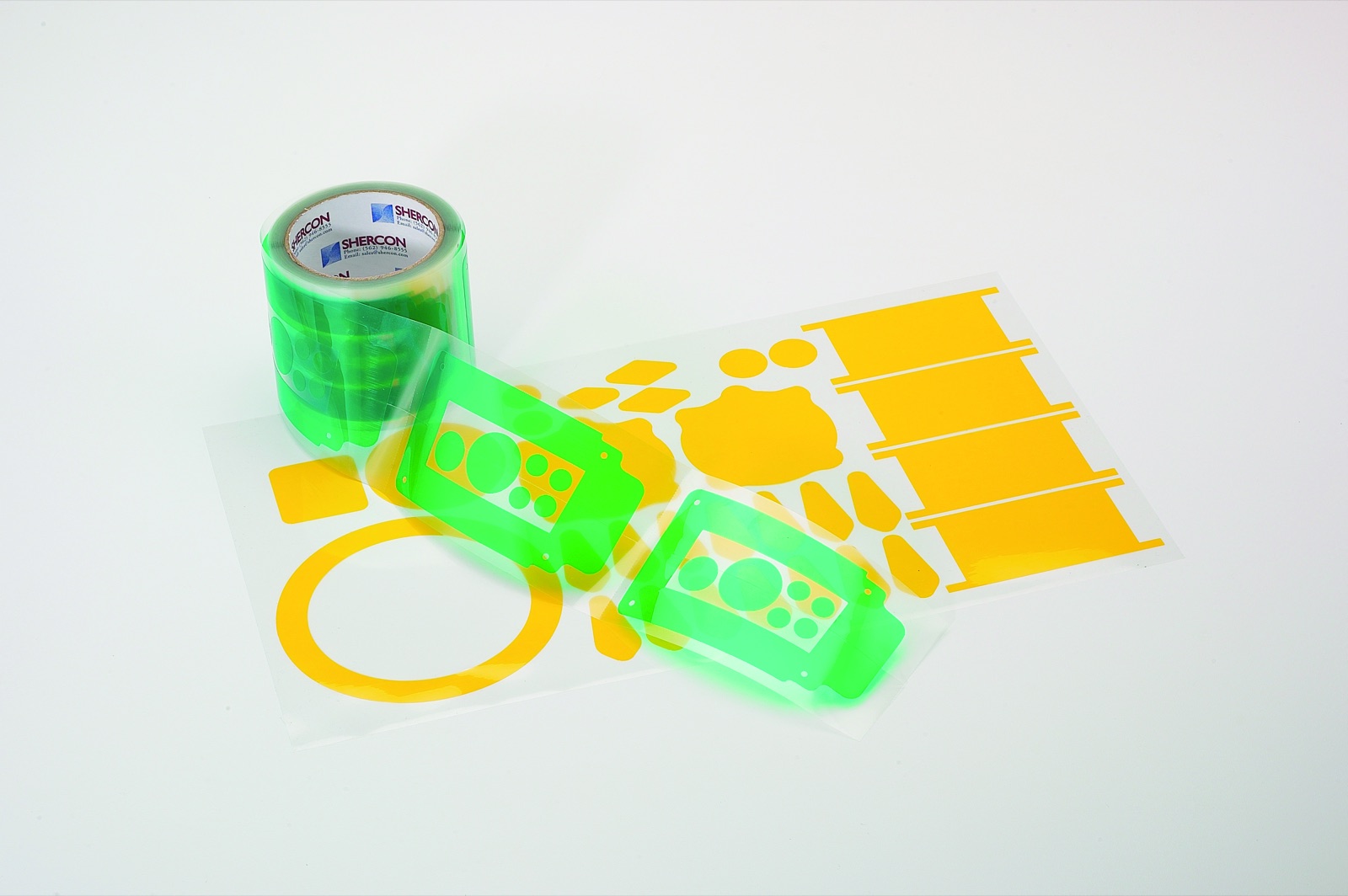
If you mask products where several areas of the product need masking, then die-cut kits will bring quality and
consistency to your masking process. Die-cut kits will ensure that you have a mask for every area and that every area
is masked.
Die-cut mask kits ensure you have a mask for every area of the part.
A typical die-cut kit has all the masks for the product within one kit. The masks can be oriented so the person
applying the masks can compare the product to the kit and see where each shape should fit. Once all the masks have
been removed from the kit, you know the product has been masked correctly.
Die-cut kits can be supplied on a roll or in sheet format for larger products. They can be marked with the part
number and in some cases can have instructions written on the kits to ensure the masks are positioned correctly.
Custom Molded Masks
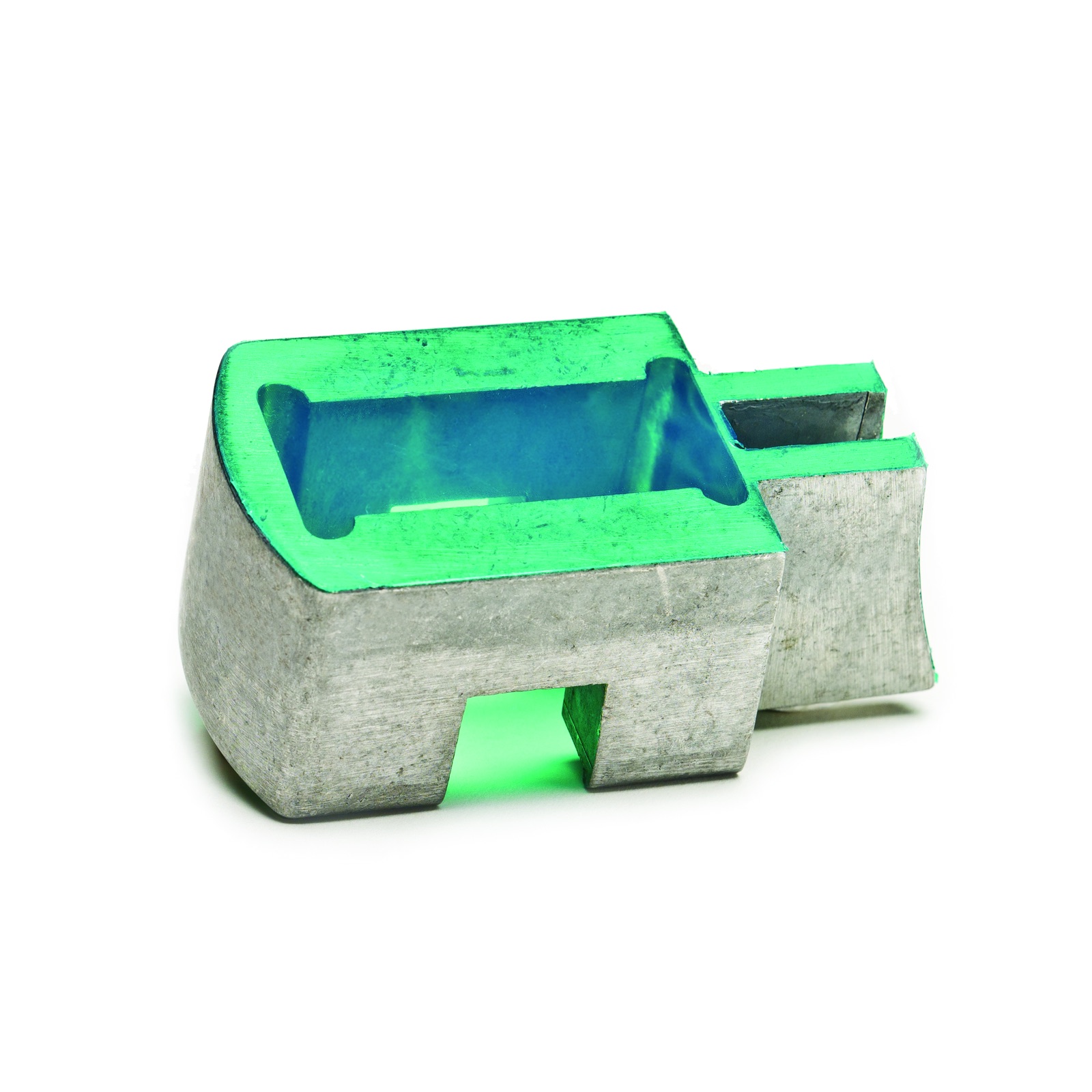
If you need consistent masking and run the same parts on a regular basis, then custom molded masks are the way to go.
Custom molded masks are designed specifically for your product. They can include custom features to help you process
your parts more efficiently and consistently:
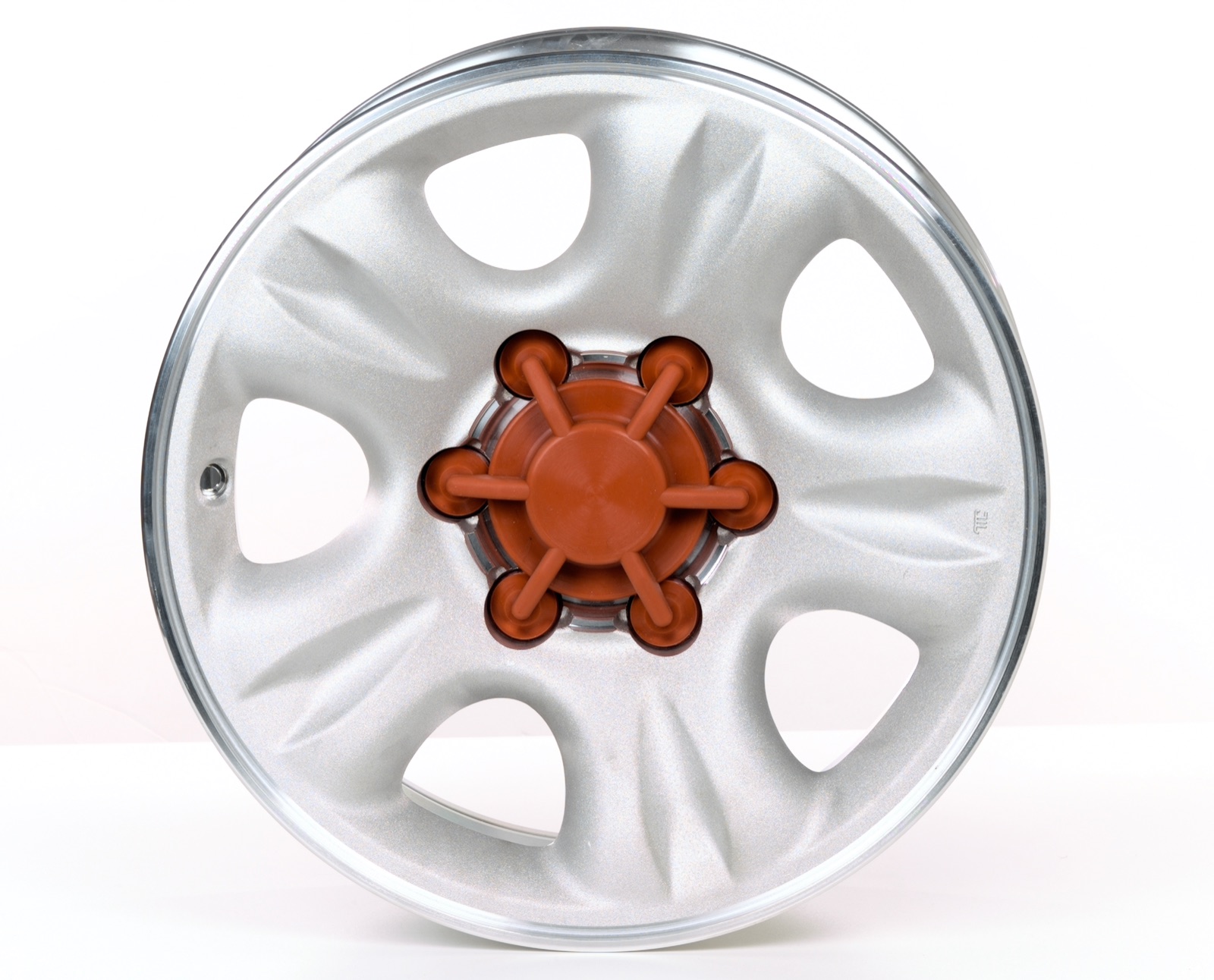
Custom molded masks optimize your masking step.
Handles to ease the installation and removal of the masks
Engraved part numbers on the mask
Holes or slots for gripping devices to ensure the parts are oriented correctly throughout the process
Valves to relieve pressure build-up
Magnets to help the masks adhere to the part
Color coding by purchase date or other specifications
Savetime
Savelabor
Savemoney
“ Masking is the key element that brings efficiency, quality and repeatability to your products.
”
- Sales Engineer at Caplugs


 Save
Save
 Save
Save
 Save
Save