If you’ve ever purchased a few bottles of wine or liquor for a dinner party, it’s likely you’ve used extruded netting in your day-to-day life.
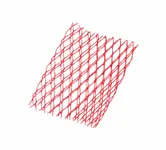
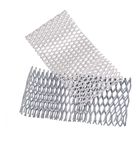
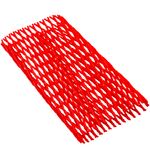
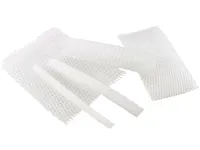
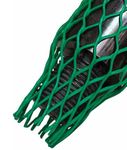
Extruded netting, commonly made from low-density polyethylene (LDPE), is a flexible plastic netting that can be used for packaging or protection, easily fitting over wine and liquor bottles, gas cylinders such as nitrogen tanks, medical instruments and finished components.
Below, we’ll take a closer look at the benefits of using extruded netting, and several ways they can be applied in everyday, commercial and industrial settings.
Plastic extruded netting is a durable yet elastic product which can be easily placed over a range of shapes and contours including liquor bottles and gas cylinders in a variety of sizes.
Extruded netting processes allow for products to be made at a faster rate than their woven counterparts, allowing for less expensive piece-prices. The extrusion process also offers easy customization, with the ability to cut netting to length or cut it into spools and flat sheets as necessary.
✔ Extra grip, slipping prevention
✔ Shipping & storage protection
✔ Scratch & dent protection
✔ Rust & corrosion protection
✔ Efficient manufacturing processes
✔ Variety of colors for easy part identification
✔ Easy application & removal
✔ Durable & reusable solution
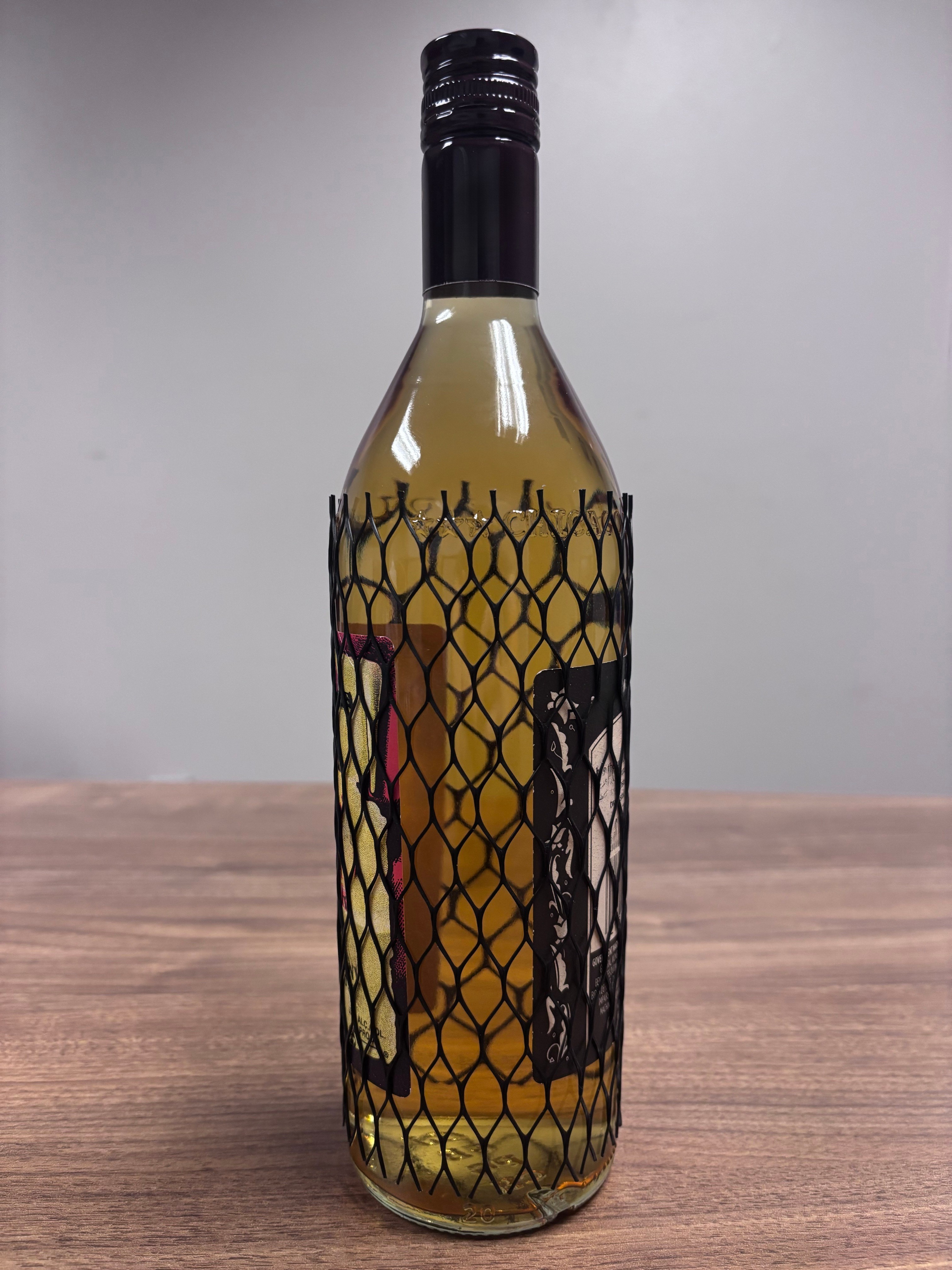
The most common way people know extruded netting is the netting placed over liquor and wine bottles. This netting is used for several reasons, with the foremost being protection from glass-on-glass contact that can lead to cracked or shattered bottles. The netting will also protect bottles and labels from scratches or scrapes when they are moving around on the drive home.
Netting can also be used for the shipment, transportation and storage of liquor and wine bottles for restaurants, liquor stores, wineries, breweries and more where there is potential for breakage. An affordable protection solution, extruded netting is a low-risk, low-cost insurance policy for restaurateurs who need to protect bottles ranging in the hundreds or even thousands of dollars in value.
Easily slide cut-bottle netting over your bottles. With netting fitting over most bottle types, no matter the size or shape, you can gain peace of mind in knowing bottles will stay safe until they are ready to be opened.
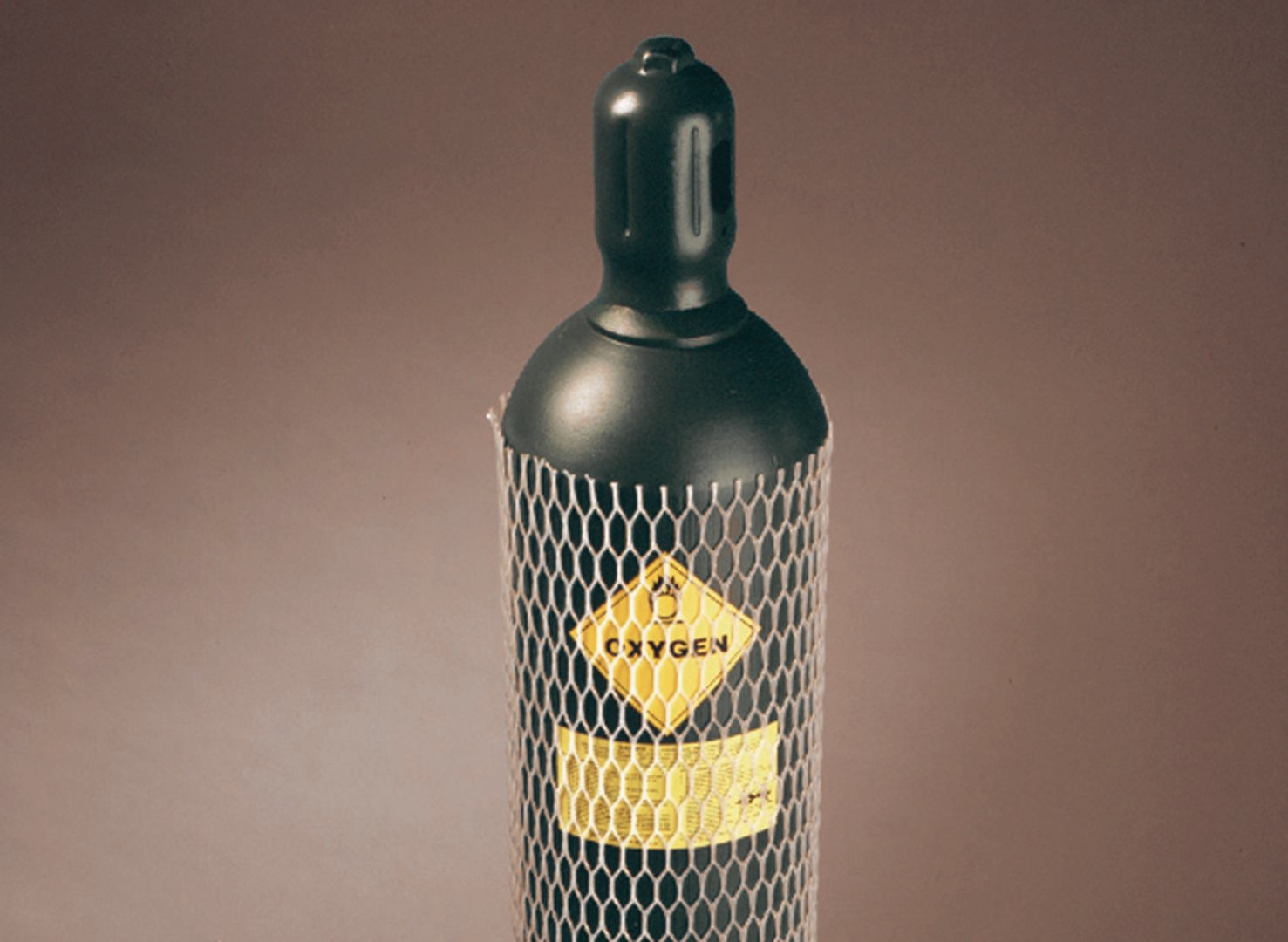
Extruded netting offers similar protection for nitrogen tanks and gas cylinders, guarding against physical damage and unsightly scratches during transportation and storage.
For tanks and cylinders that are left exposed to the elements or in long term storage, a special rust inhibitor can be added to netting to prevent rust buildup and corrosion, resulting in less maintenance and longer cylinder life.
Many cylinders and tanks feature DOT-mandated precautionary labels. Extruded netting protects these labels during transport and handling and help to prevent damage, tearing or accidental removal. Similarly, netting helps avoid repainting, with relabeling and repainting being two of the most common ways cylinders get taken out of circulation, costing businesses both time and money.
It should be noted that ring tests can still be conducted as normal. Color options are also available to differentiate certain types of compressed gas or indicate if a tank is full or empty.
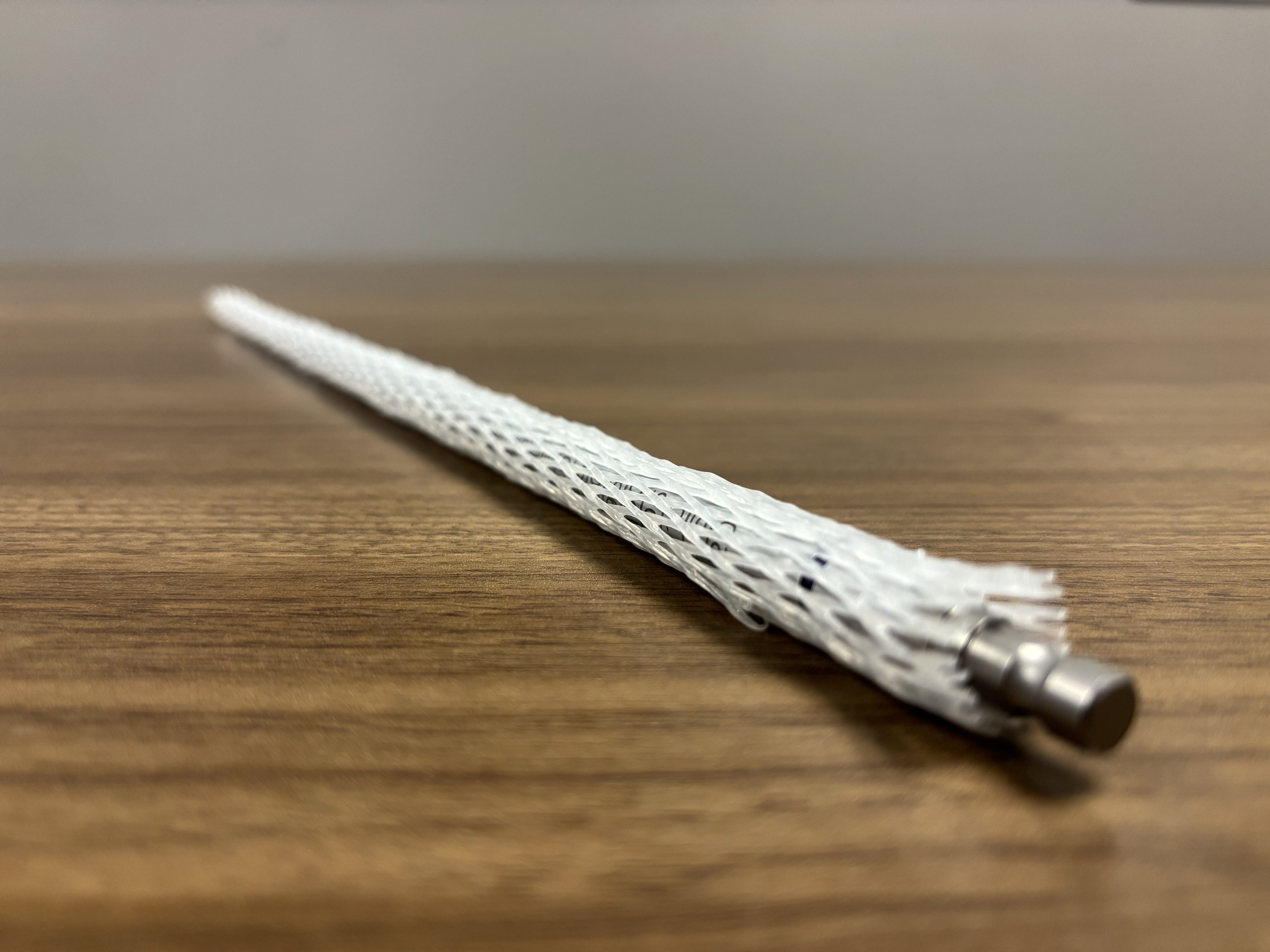
Extruded netting can often be used to protect medical tools and instruments during manufacturing processes, shipping, storage and final sterilization. Due to the flexible design and stretch, netting can be placed over a variety of instrument dimensions and its diamond mesh design offers a porousness that can aid in final sterilization.
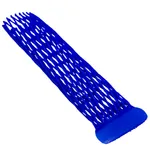
Protective netting for medical instruments is available in a range of different colors and in flattened, opened (on both ends) and closed-end design with a pull-tab for easier grip and removal.
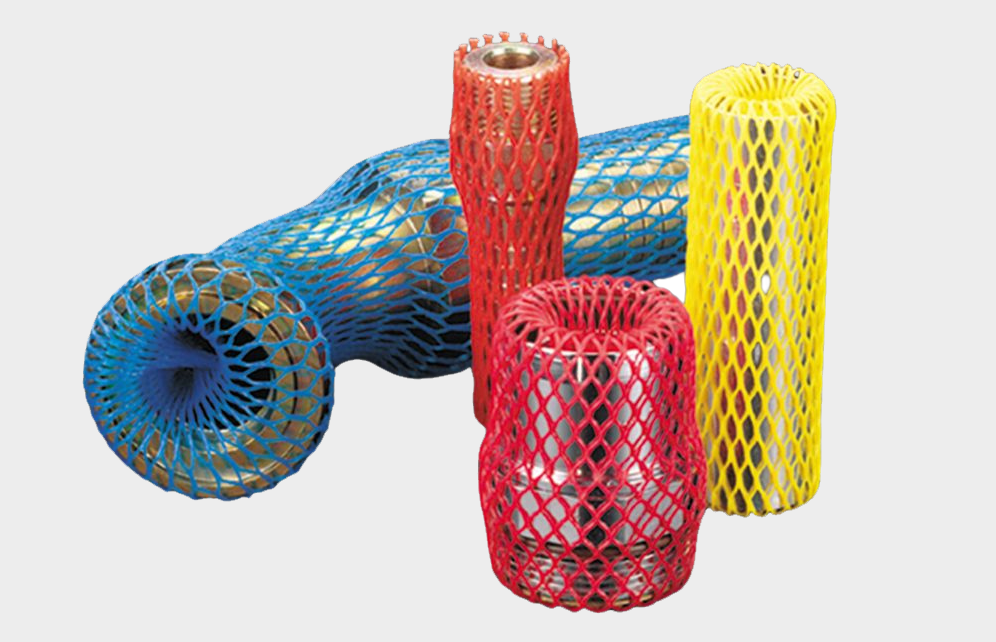
• Glass rods
• Tubing
• Storage tanks
• Rolled paper products
• Automotive parts (transmission & engine components)
• And more
Extruded netting can also be used as a layer or separator between stacked parts to prevent scratching or contact when stored or shipped. These flat sheets are more durable than options like cardboard, wood or Styrofoam that can rot or disintegrate when wet or after contact with oils, solvents or other coatings. Protective netting can be ordered with custom die-cutting, allowing for the delivery of premade shapes to make stacking, shipping and storage a breeze.
Made domestically at our headquarters in Buffalo, N.Y. for quick turnarounds, Caplugs plastic netting is available in a range of sizes, styles and colors to meet your specific protection, storage or packaging needs.
View our full line of extruded netting products in our catalog or reach out to an experienced team member to discuss custom needs by email or by phone at 1.888.CAPLUGS. We look forward to providing you with quality protective netting to stand up to any shipping, storage and packaging needs.
Whether you require off-the-shelf netting or have custom needs, Caplugs has the available product lines and expert in-house team to meet your specific protection needs.
For custom solutions, let the largest, most experienced in-house team of design engineers develop it for you from initial design to final production. We offer extensive custom molding solutions to meet your cost, performance, and production requirements.